Search has changed dramatically. In 2026, Google no longer just ranks blue links — it generates AI Overviews, summarises answers, and selects trusted sources to feature directly in search results.
That shift means one thing: if your website isn’t built with SEO in mind from the very beginning, it is far less likely to be included in AI-driven search visibility.
SEO-first website design is no longer optional. It’s foundational.
What Is SEO-First Website Design?
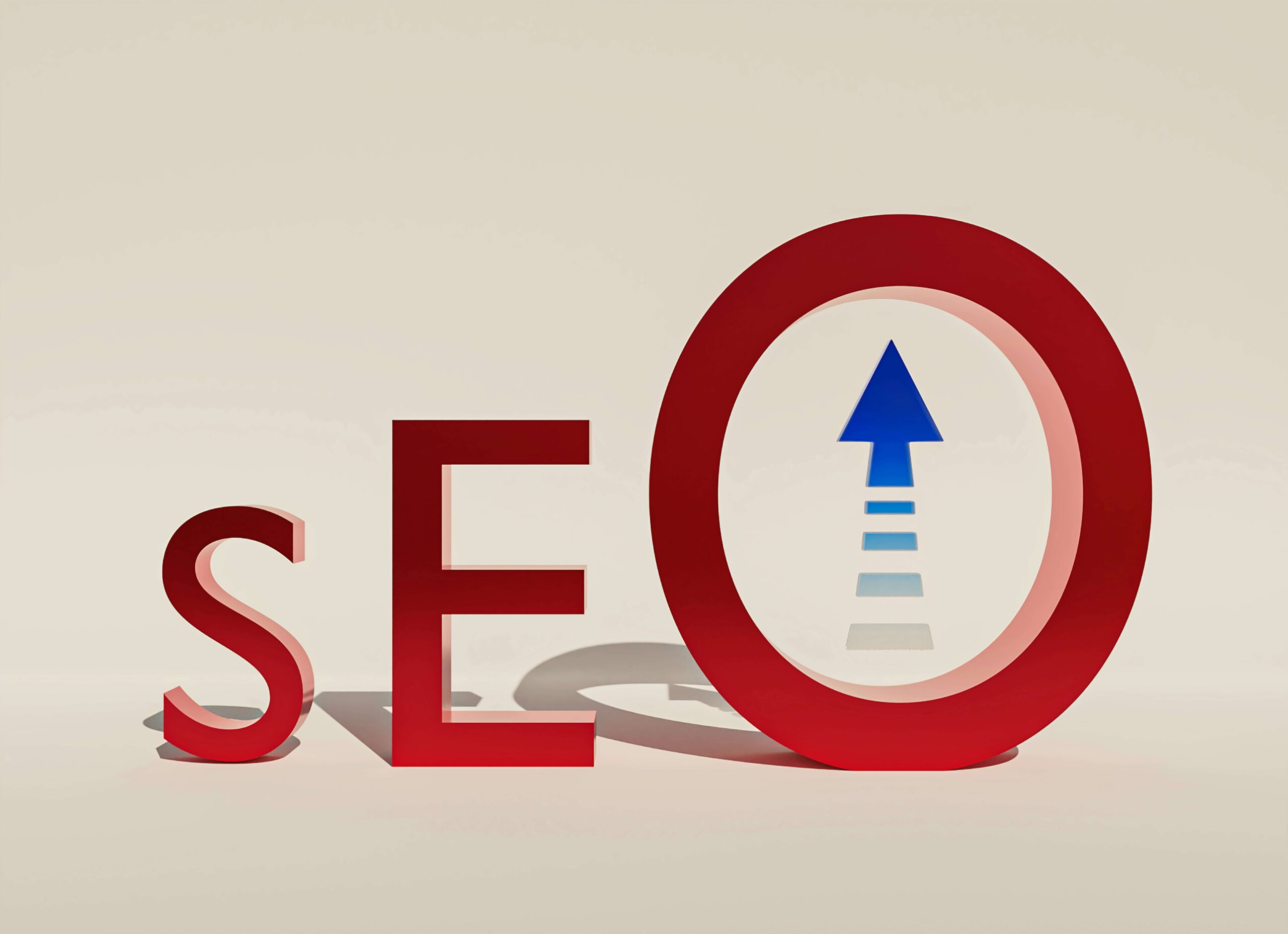
SEO-first website design means building your website structure, content, and technical framework around search visibility from day one — not adding SEO after launch.
It includes:
- Clear site architecture
- Search-intent driven service pages
- Logical internal linking
- Fast loading speeds
- Mobile-first performance
- Structured data implementation
- Content designed to answer real user questions
Instead of designing purely for appearance, SEO-first design ensures your website is easy for both users and AI systems to understand.
Why SEO-First Design Matters for AI Overviews
AI Overviews prioritise websites that demonstrate clarity, authority, and a structured information architecture.
Google’s AI systems look for:
- Direct answers to common questions
- Clear headings and structured formatting
- Evidence of expertise and real-world experience
- Topical authority across multiple related pages
- Trust signals such as consistent branding and strong UX
If your website lacks structure or depth, it becomes difficult for AI systems to confidently extract and reference your content.
Websites built with SEO in mind make it easier for AI to summarise, quote, and feature their information.
Search Engines Now Evaluate Entire Website Systems
Modern algorithms assess websites as complete ecosystems, not isolated pages.
An SEO-first website:
- Groups related services logically
- Connects supporting blog content to core pages
- Uses consistent terminology
- Avoids duplicate or overlapping content
- Demonstrates topical depth
This systemic clarity strengthens entity recognition and improves your chances of appearing in AI-generated responses.
Structure Drives Visibility
AI-driven search relies heavily on structure.
Clear heading hierarchies (H1, H2, H3), concise paragraphs, and direct explanations help search engines quickly understand key takeaways. When information is buried in large blocks of text or poorly organised layouts, it becomes harder for AI to extract useful summaries.
SEO-first design ensures:
- Each page has a defined purpose
- Primary keywords align with user intent
- Supporting content reinforces authority
- Important pages receive strong internal links
This increases both traditional rankings and AI Overview inclusion potential.
User Experience and SEO Are Now Interconnected
Google evaluates how users interact with your website. If visitors quickly leave, struggle to navigate, or experience slow load times, it sends negative quality signals.
SEO-first design prioritises:
- Speed optimisation
- Clean code and lightweight builds
- Mobile usability
- Clear calls to action
These factors improve engagement, which reinforces visibility over time.
Retrofitting SEO Reduces Long-Term Performance
Adding SEO after launch often means restructuring URLs, rewriting content, or fixing technical limitations that could have been avoided during the build stage.
When SEO is integrated from the beginning:
- Pages are built around search intent
- Content scales logically
- Authority compounds over time
- AI systems understand the business faster
This creates stronger long-term organic growth.
Frequently Asked Questions
Why is SEO important when building a website?
SEO ensures your website is structured, discoverable, and aligned with how people search. Without SEO, even well-designed websites struggle to gain visibility in search results and AI Overviews.
Can you add SEO after a website is built?
Yes, but it is less efficient. Retrofitting SEO often requires structural changes, content rewrites, and technical adjustments that could have been implemented during the initial build.
Does SEO-first design help with AI search results?
Yes. AI-driven search systems prioritise structured, authoritative, and clearly formatted content. SEO-first websites are easier for AI to interpret and feature in summaries.
How long does it take to see results from an SEO-first website?
Most websites begin seeing traction within 3–6 months, with stronger growth between 6–12 months depending on competition and industry.
Final Thoughts
SEO-first website design increases the likelihood of ranking in traditional search, appearing in AI Overviews, and building long-term authority.
If you would like to find out more about SEO and how they effect websites, please contact us on [email protected] or call 01903 680102